Exploring Natural Components for a Balanced Diet

This section provides informational insights into various natural complexes that can complement a balanced diet and an active lifestyle. These components are presented purely for educational purposes, describing their general properties and how they fit into a holistic approach to well-being.

This is not a marketplace; we do not sell these items directly, nor do we offer specific health recommendations. All descriptions are informational only. For personalized advice, please consult a qualified healthcare professional. All inquiries regarding these descriptions may be directed through our contact form.

Natural Dietary Complexes by General Role

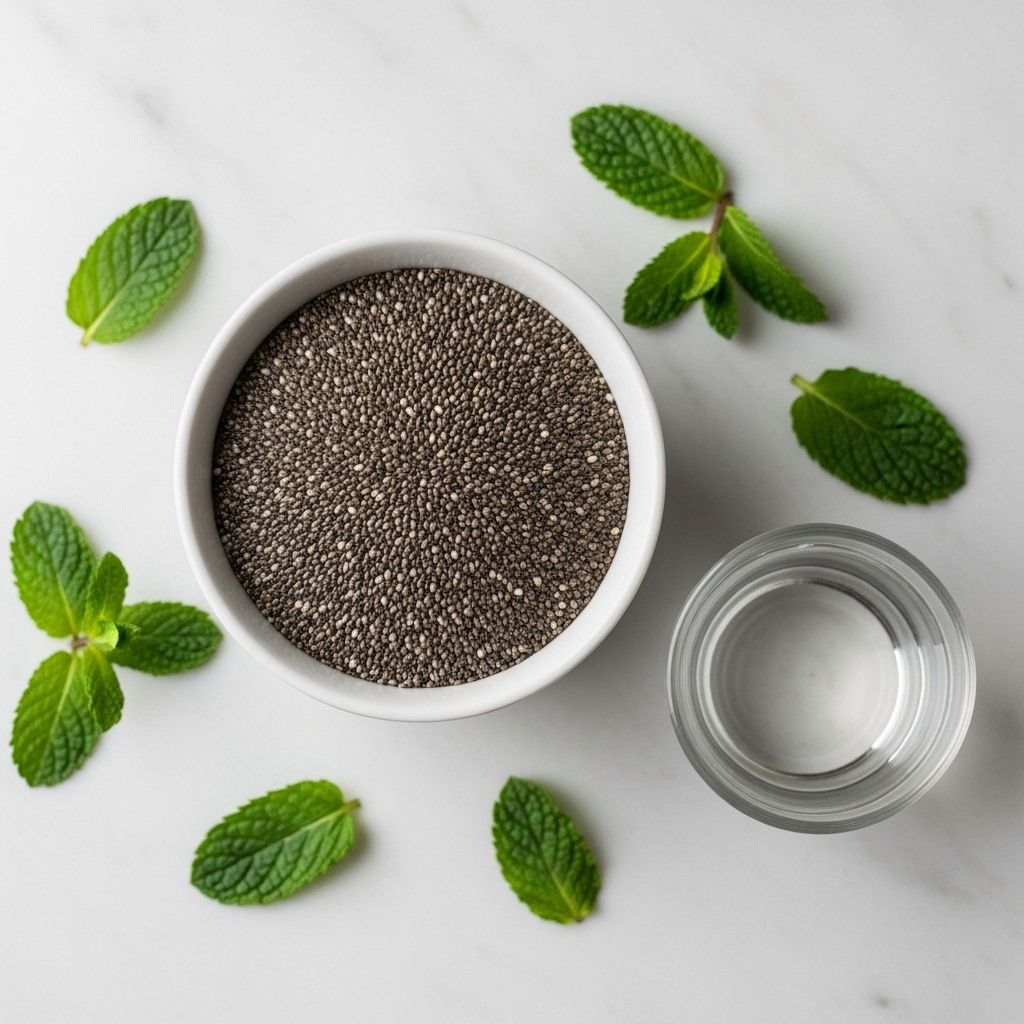
White ceramic bowl filled with dry chia seeds surrounded by a few fresh mint leaves and a small glass of water on a light marble surface
Seeds — Fiber Support

Chia Seed Complex

Chia seeds (Salvia hispanica) are rich in soluble dietary fiber, plant-based omega-3 fatty acids, and several micronutrients including calcium and phosphorus. Their ability to absorb water and form a gel is a widely documented property with implications for digestive function as described in nutritional literature.

  • High soluble fiber content associated with digestive support in nutritional research
  • Notable source of plant-based omega-3 fatty acids (ALA) for dietary diversity
  • Provides calcium, phosphorus, and manganese within the context of a varied diet
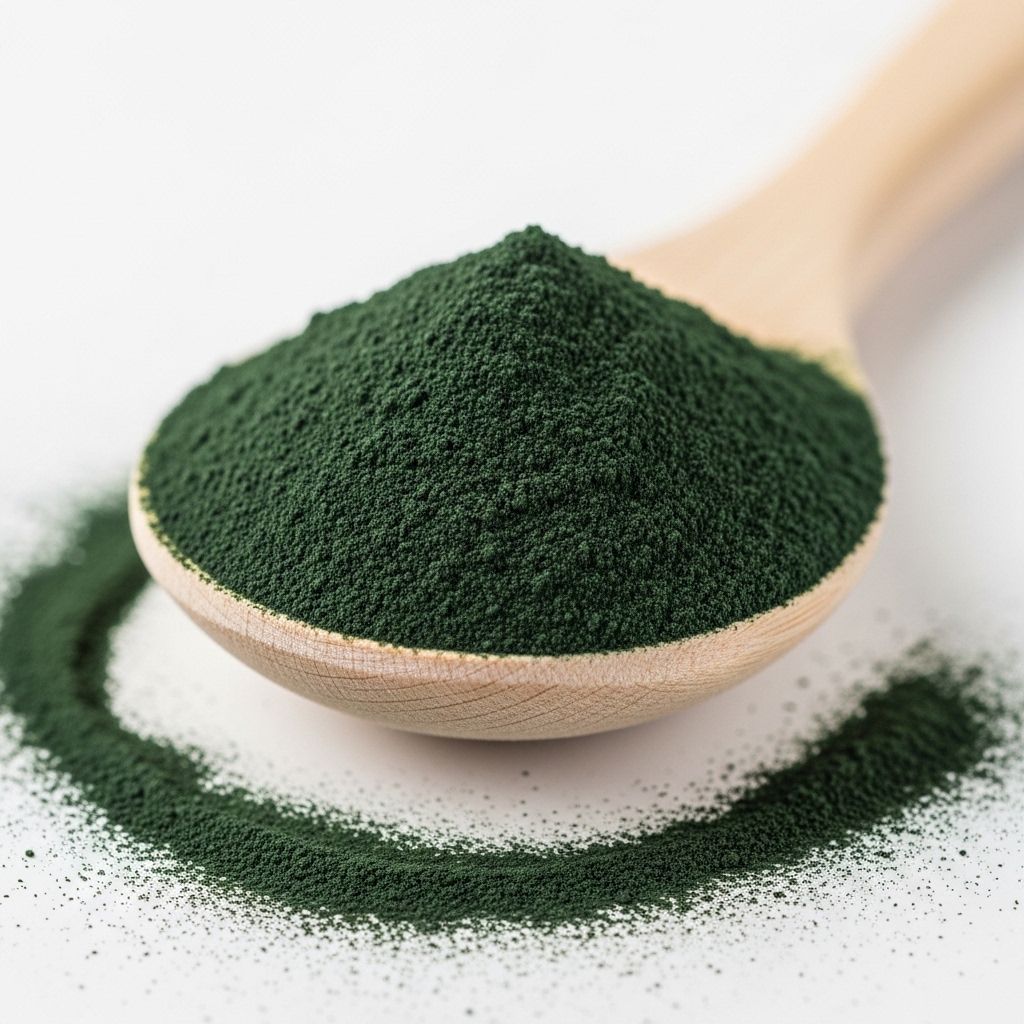
Spirulina powder displayed in a flat wooden spoon with scattered powder around it on a clean white background, showing its deep teal-green color and fine texture
Microalgae — Green Boost

Spirulina Concentrate

Spirulina is a blue-green microalgae recognized in nutritional science for its high protein content by dry weight, its B vitamin profile, and its iron concentration. The pigment phycocyanin, which gives spirulina its characteristic color, is studied in the context of antioxidant properties in scientific literature.

  • Exceptionally high protein content by dry weight, noted across multiple nutritional analyses
  • Contains B vitamins and iron, supporting dietary completeness for plant-based eating patterns
  • Phycocyanin pigment is a subject of antioxidant research in the scientific community
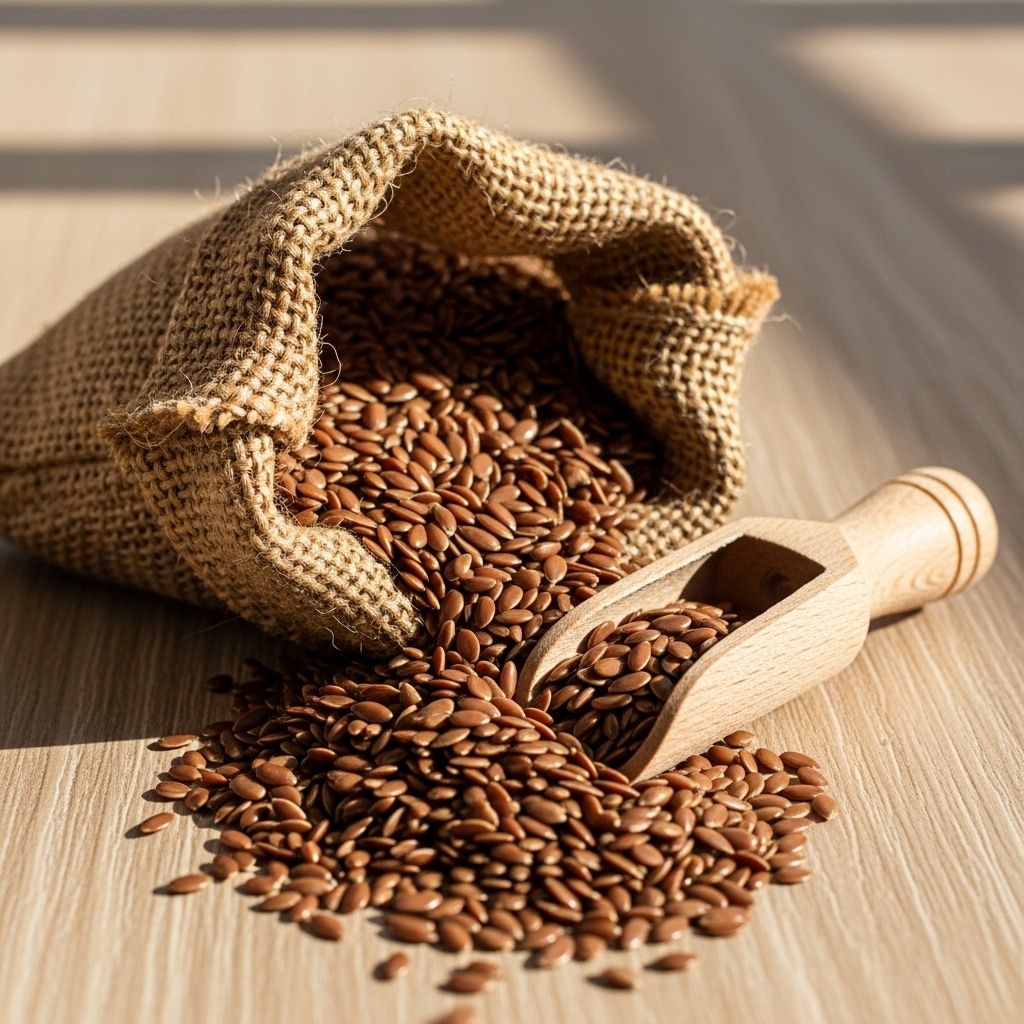
A small burlap sack tipped over with whole brown flaxseeds spilling onto a natural wood surface, with a wooden scoop resting beside them in warm afternoon light
Seeds — Fiber & Oils

Flaxseed Blend

Flaxseeds are one of the richest plant sources of alpha-linolenic acid (ALA) and contain significant quantities of lignans — plant compounds with documented antioxidant properties. Both soluble and insoluble fiber are present in meaningful amounts. Ground flaxseeds are generally described as more bioavailable than whole seeds.

  • Among the richest plant sources of alpha-linolenic acid (ALA), an omega-3 fatty acid
  • High lignan content — a class of polyphenolic compounds studied for antioxidant properties
  • Both soluble and insoluble fiber fractions support comprehensive digestive fiber intake
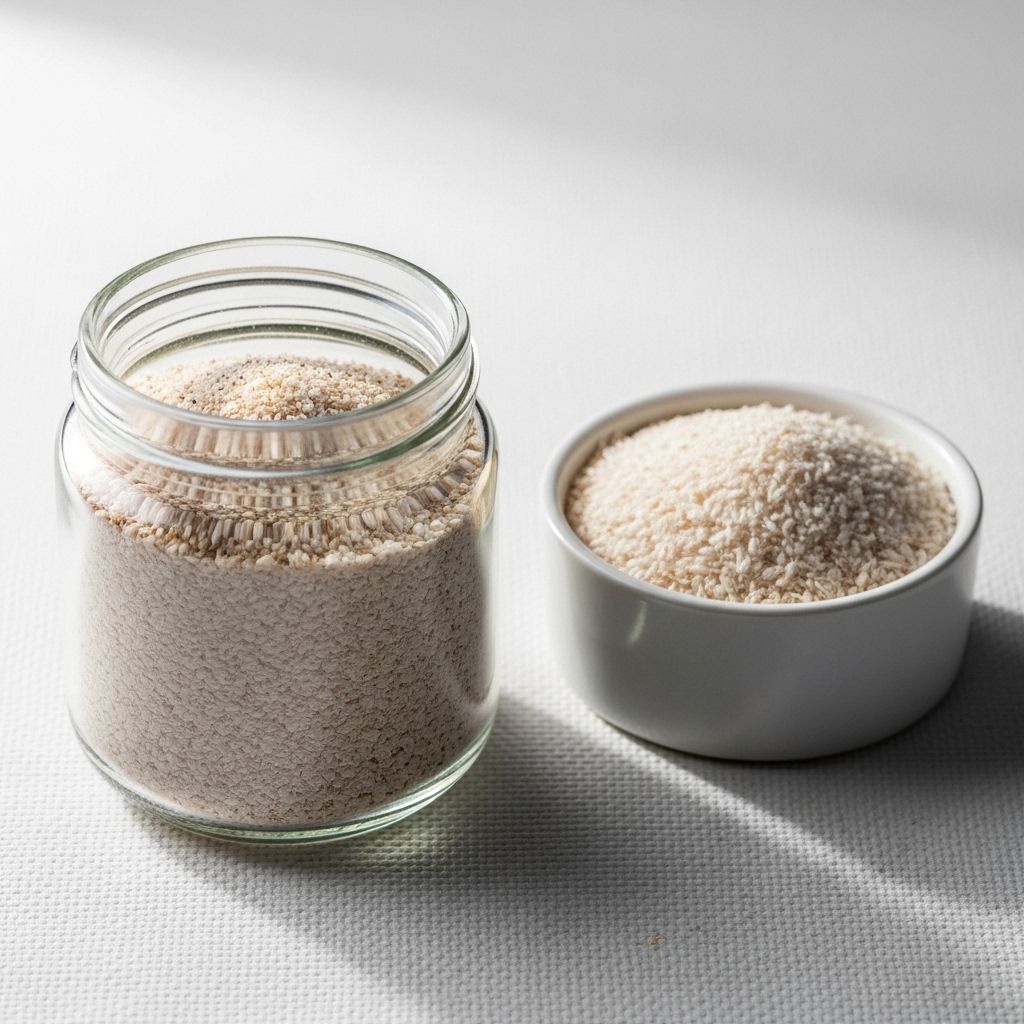
A glass jar half filled with psyllium husk powder next to a small bowl of whole psyllium husks on a white textured surface with natural side lighting
Fiber — Digestive Support

Psyllium Husk Fiber

Psyllium husk is derived from the seeds of Plantago ovata and is one of the most studied sources of soluble dietary fiber. When combined with water, it forms a viscous gel that slows gastric emptying, a mechanism frequently cited in nutritional literature in the context of satiety and digestive transit.

  • One of the most studied sources of soluble fiber in nutritional research literature
  • Gel-forming property documented in relation to gastric transit and feelings of fullness
  • Widely incorporated in fiber blend formulations for its consistent functional properties
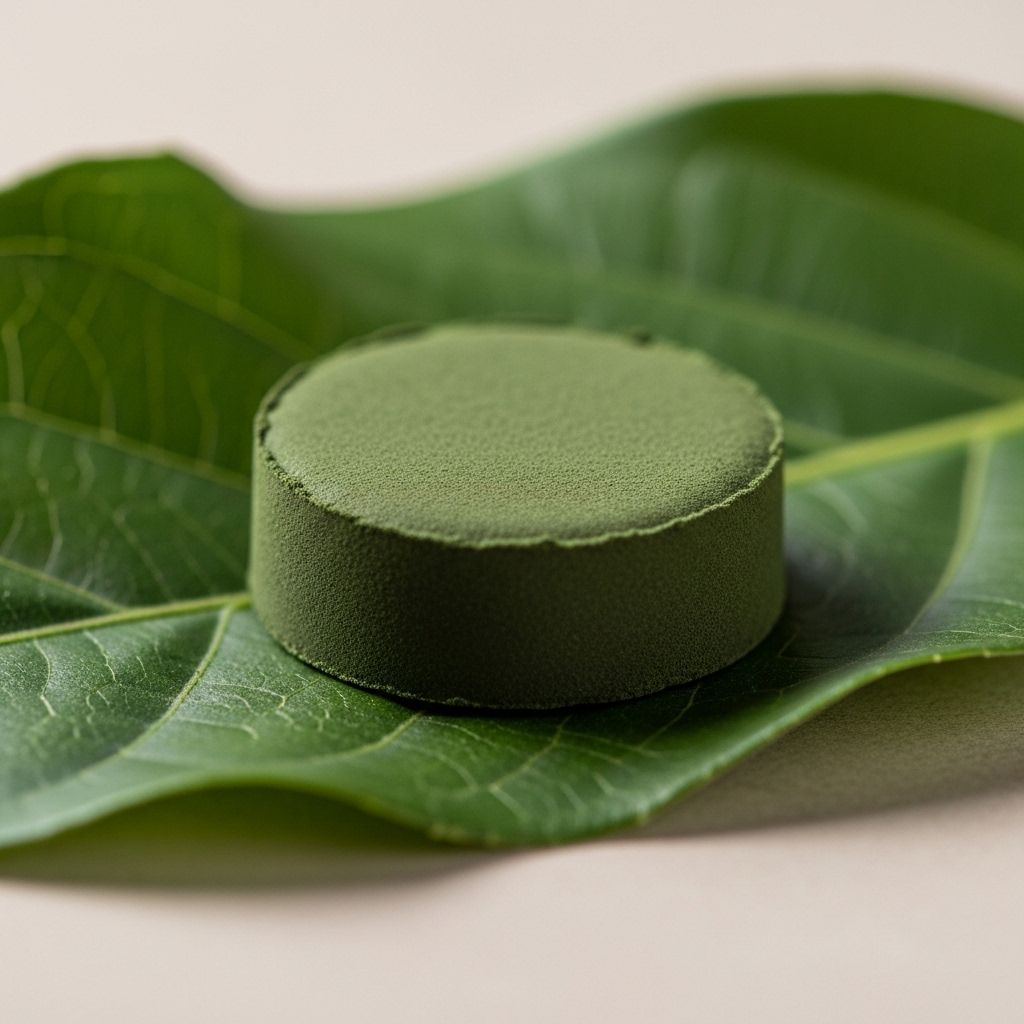
Dark green chlorella powder pressed into a small round mold resting on a green leaf against a neutral light beige background with soft diffused lighting
Microalgae — Green Boost

Chlorella Green Complex

Chlorella is a single-celled green microalgae with a high chlorophyll content and a nutritional profile that includes protein, iron, B vitamins, and various carotenoids. It is commonly discussed in nutritional literature alongside spirulina as a plant-based protein and micronutrient source. Its cell wall requires processing to improve digestibility.

  • High chlorophyll concentration and broad carotenoid profile noted in compositional analyses
  • Provides a range of B vitamins and iron within a plant-based dietary context
  • Complete amino acid profile discussed as a comprehensive plant protein source in literature
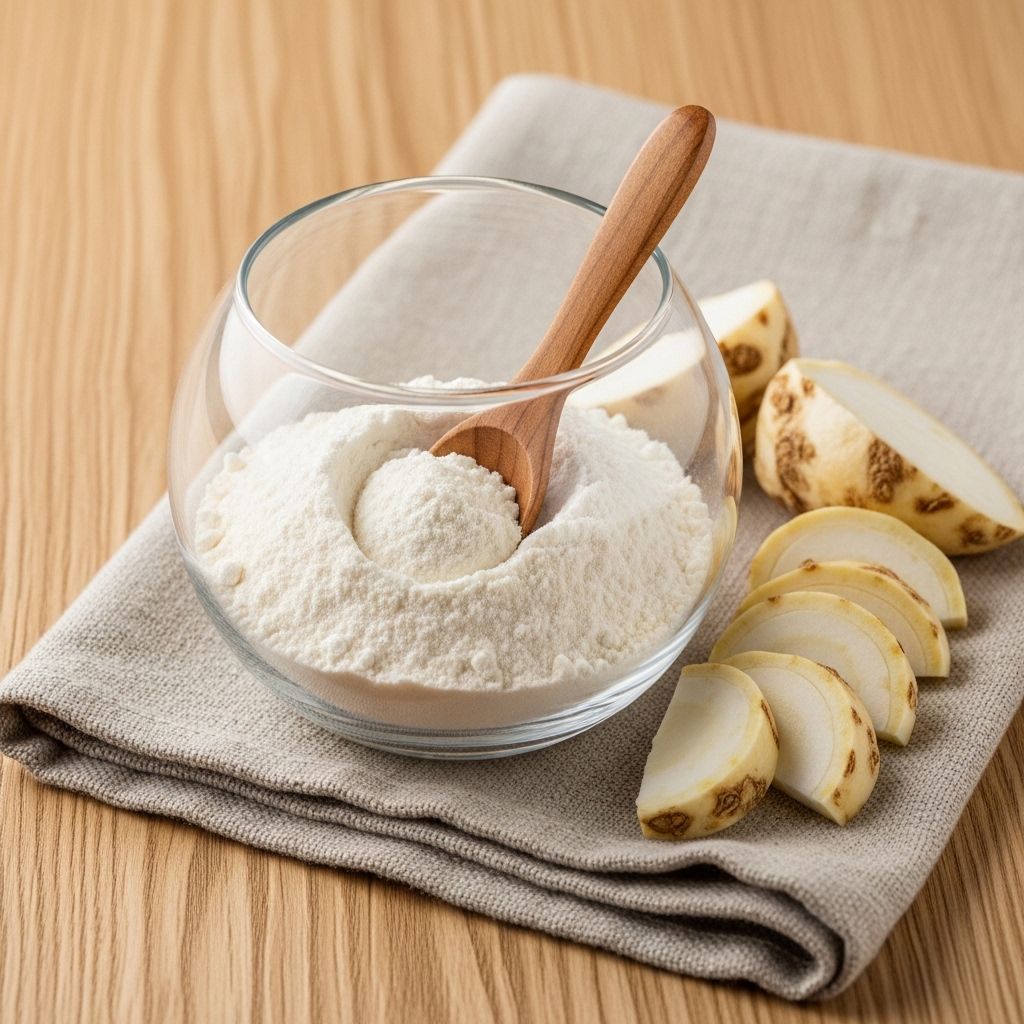
Fine white inulin powder in a round glass bowl with a small wooden spoon, placed on a linen cloth alongside freshly sliced chicory root on a light oak surface
Fiber — Prebiotic Support

Inulin Prebiotic Fiber

Inulin is a naturally occurring polysaccharide found in chicory root, garlic, onions, and various other plants. It belongs to the category of prebiotic fibers, meaning it passes undigested to the colon where it serves as a substrate for beneficial bacterial populations. This relationship between dietary fiber and the gut microbiome is an active area of nutritional science research.

  • Classified as a prebiotic fiber; supports the composition of colonic microbiota in research models
  • Low glycemic index contribution — does not significantly affect blood glucose in most contexts
  • Contributes to daily dietary fiber targets as part of a varied plant-rich eating pattern

All natural dietary components described in this section are presented for general informational purposes only. The properties described are drawn from publicly available nutritional science literature and represent general compositional characteristics, not clinical findings applicable to individuals. Pserant does not sell, endorse, or recommend specific products. No outcomes are implied or promised. Consult a qualified professional before making changes to your dietary routine.